

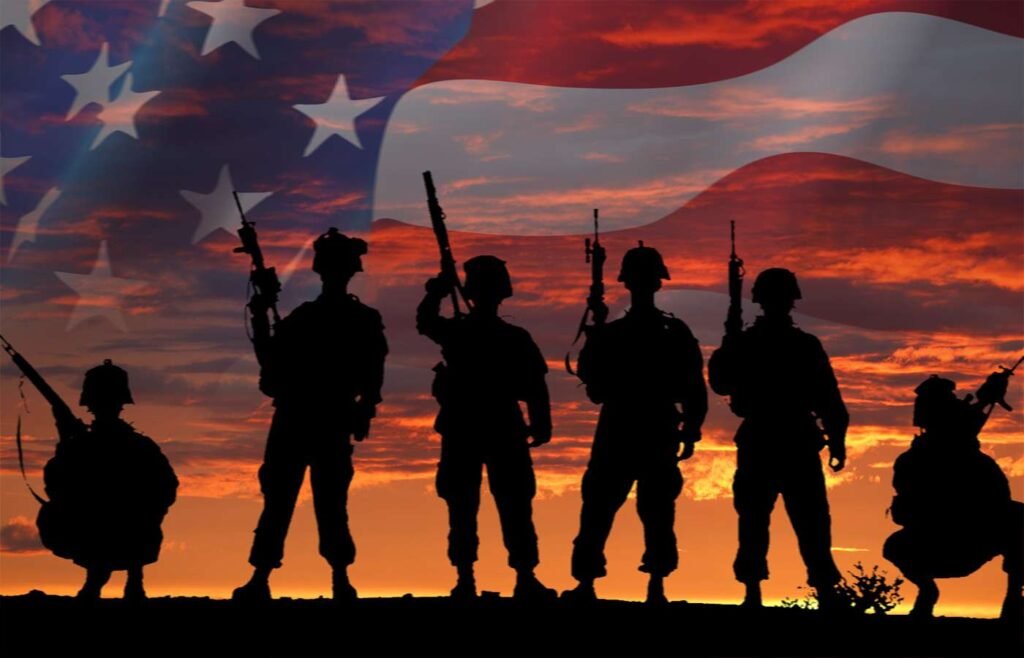
Each November, Americans come together to honor the service and sacrifices of our military veterans. Parades march down city streets, flags wave, and tributes pour in from every corner of the nation. For many, this day of appreciation is a moment to celebrate freedom and the heroes who fought to protect it. But for some veterans—especially those struggling with combat-related Post-Traumatic Stress Disorder (PTSD)—Veterans Day can stir up an inner conflict that’s anything but celebratory.
While millions see Veterans Day as a time of honor and respect, for those bearing the invisible scars of combat, it can be a day filled with painful memories, isolation, and intense emotional triggers. Public recognition and well-meaning gestures often fall short of addressing the underlying trauma many veterans carry with them long after leaving the battlefield.
This is where understanding and support from the community become essential. Behind the uniform, behind the brave face, there is often a struggle that cannot be fought alone. By acknowledging this, we open a door to a deeper, more compassionate approach to helping veterans find the peace they deserve.
The Battle Doesn’t End at Home
Returning home from combat is only the beginning of another journey. For veterans with PTSD, this journey can feel as challenging as the war they left behind. Loud noises, crowds, certain smells, or even just the emotions that accompany Veterans Day itself can bring a flood of memories that are difficult to manage. They may relive traumatic events, face heightened anxiety, or wrestle with feelings of guilt and isolation.
Veterans Day can amplify these experiences, as they are reminded of the people and places they left behind or the choices they had to make. This day, which is meant to honor them, can inadvertently become a day that alienates them if we don’t approach it with understanding.
Recognizing the Hidden Wounds of PTSD
PTSD is often called an “invisible wound” because it doesn’t present the physical scars we can see. But for the veterans who endure it, PTSD is as real as any physical injury. It changes the brain, rewires responses to stress, and can make even the most everyday situations feel overwhelming. Many veterans struggle in silence, either out of a sense of duty or fear of stigma, and the burden they carry can be an enormous weight on both themselves and their families.
Knowing this, we have a responsibility—not just on Veterans Day, but every day—to bring awareness to these hidden wounds. By understanding what our veterans go through, we become better equipped to reach out, to listen, and to help.
How You Can Help Veterans with Combat-Related PTSD
1. Listen Without Judging Sometimes, a veteran just needs someone to listen. Providing a safe space for them to speak, without judgment, can be one of the most powerful gifts you can offer. PTSD can make veterans feel isolated, and simply listening can help bridge that gap.
2. Learn About PTSD PTSD isn’t a one-size-fits-all condition. It’s complex and varies from person to person. Taking time to understand PTSD deepens your empathy and makes it easier to recognize when someone is struggling, helping you respond with sensitivity and support.
3. Donate to Organizations Making a Difference Supporting organizations like Mission Phoenix, which provides specialized support for veterans with PTSD, is a powerful way to help veterans find hope and healing. Donations help fund programs, provide necessary resources, and enable outreach to veterans who may not otherwise receive the help they need. Your contribution to Mission Phoenix can be a direct investment in the life of a veteran.
4. Encourage Connection and Community Support Social isolation can intensify PTSD symptoms. Help veterans connect with communities that understand their unique challenges, whether through local veteran support groups or online communities. Your encouragement might be the push they need to reach out.
5. Promote and Advocate for Resources Not all veterans know about the resources available to them. If you know a veteran who may benefit from therapy, support groups, or programs like Mission Phoenix’s Invictus symbol or Code Phoenix, offer to help them explore these options. Connecting them with these programs can be life-changing.
6. Show Appreciation Thoughtfully While public ceremonies are wonderful ways to honor veterans, a heartfelt, private acknowledgment can often mean even more. Reaching out one-on-one to thank them or simply spending time in quiet appreciation allows for a more personal connection that may be easier to receive.
A Compassionate Call to Action
Veterans Day should be a day that reminds us of our duty to those who served. This goes beyond honoring their military service; it calls us to support them as they transition back to civilian life, particularly when they are navigating mental health challenges like PTSD.
By looking past the parades and the symbolism, by seeking to understand the invisible battles, we can make a meaningful difference in the lives of our veterans. They stood up to protect our freedom; now it’s our turn to stand by them as they fight to reclaim their own sense of peace. Because we can do better and they deserve more.
– Josh Gagnier 11/11/24

0 Comments